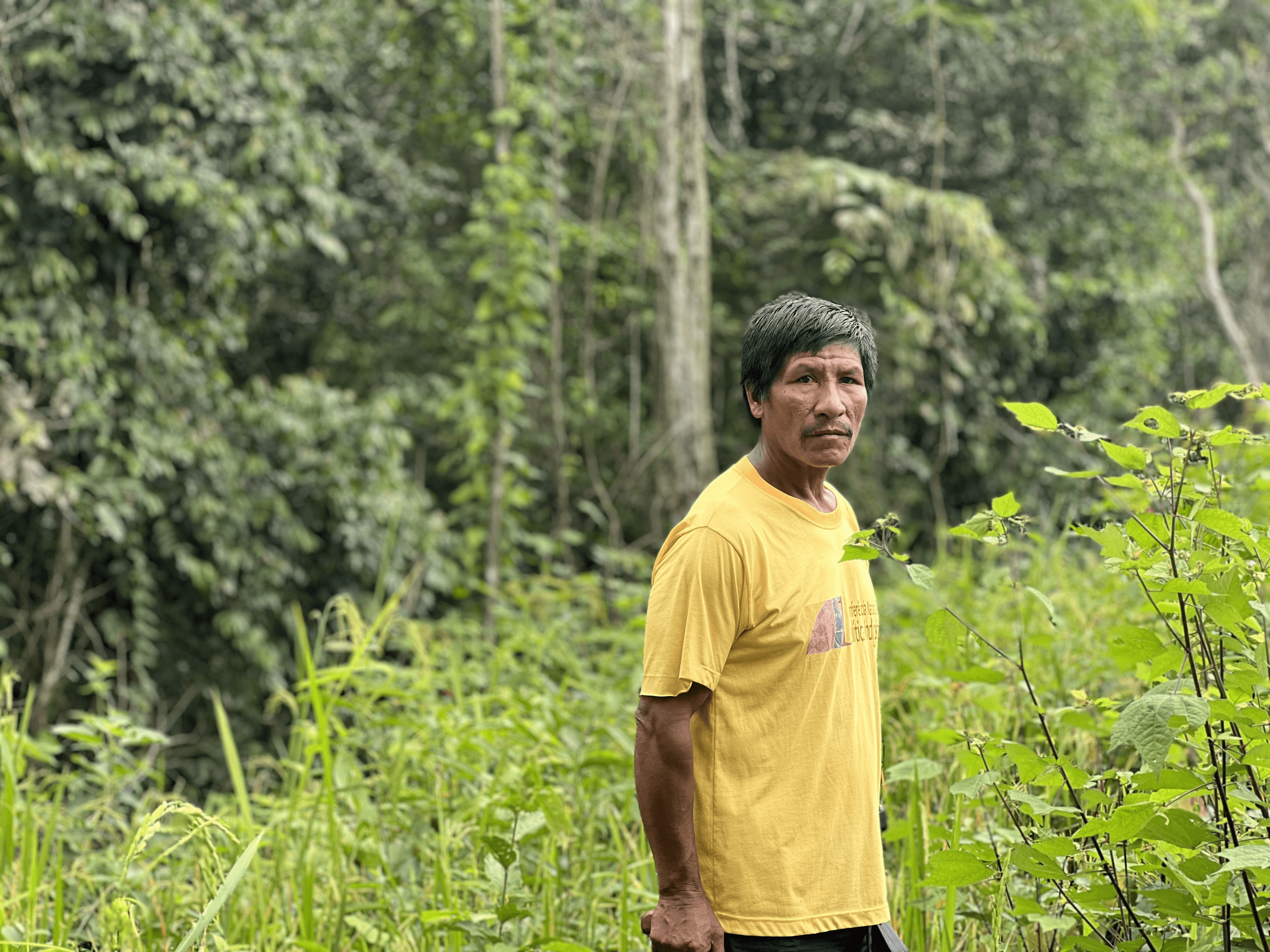

One hectare, one family, one kin. Meet KindredForest.
SamaÚma has planted 23 million trees across the Amazon, Cerrado, and mangroves of Maranhão. That number didn't come from a spreadsheet. It came from 230 people working on formal CLT contracts across some of the most ecologically complex terrain in the world.
Along the way, we tested every field verification tool we could find. Some were well-designed. None were built for what we actually needed: something genuinely adapted to the field, transparent enough to hold up to scrutiny, and built to push the work toward real ecological restoration, not just tree counts.
So we built our own.
The gap nobody was building for
Most monitoring tools are built for organizations that manage subcontracted NGOs at a distance. They're designed to generate reports, not to guide field decisions or to reflect what's actually happening on the ground.
When you're implementing at scale, in multiple biomes, with communities who carry decades of ecological knowledge, you need something different. You need a system that captures complexity honestly, gives partners real visibility, and keeps the work accountable to the forest, not just to a dashboard that looks good in a presentation.
That's the gap we set out to close.
The technology we built
We built our own. Not as a side project. As a core part of the operation.
SamaÚma's verification system is a stack designed from the ground up for large-scale restoration in complex biomes.
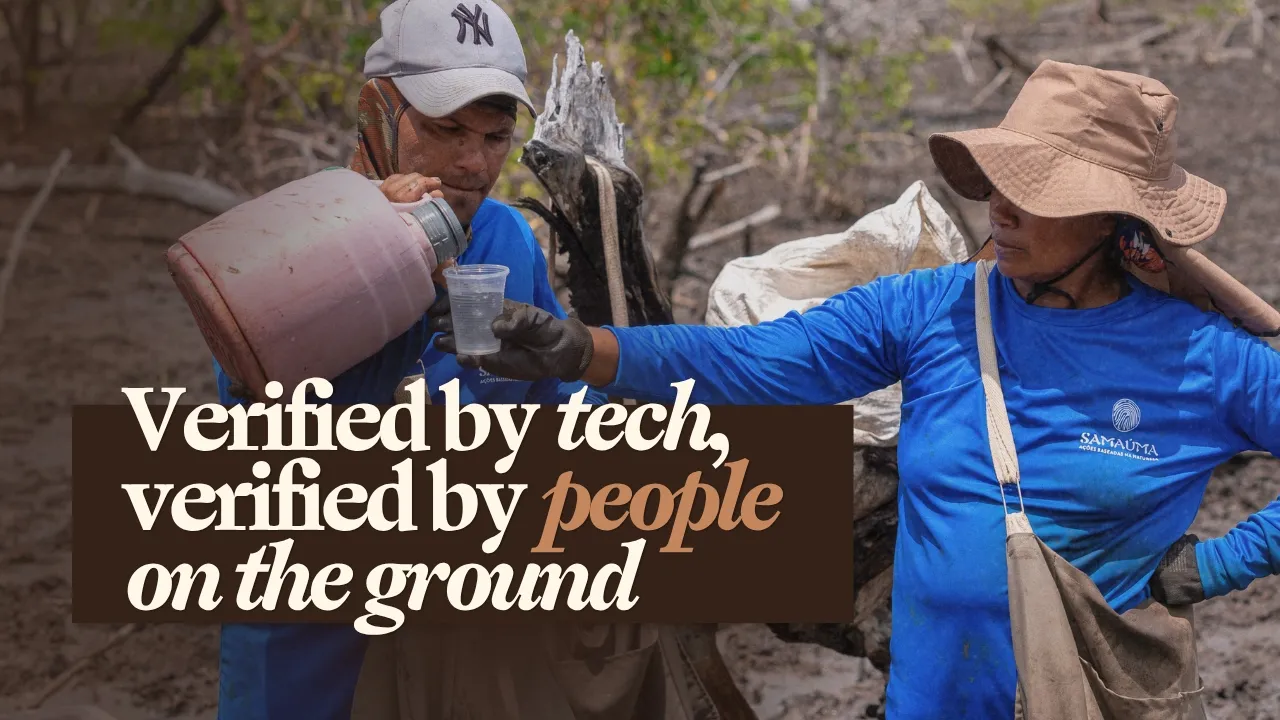
This is what we mean when we say: verified by tech, verified by people on the ground.
Introducing KindredForest
KindredForest is our new product model, and it starts with one idea: every hectare of restored forest has a family responsible for it.
One hectare. One family. One kin.
Each partner who signs on isn't just funding tree planting. They're entering a direct relationship with a place and the people who know it best. The family assigned to their hectare monitors it, documents it, and is formally employed to maintain it. They're not beneficiaries. They're the operation.
We call the unit a kin because that's what it is: a bond between a partner, a family, and a piece of living forest.
The methodology behind the guarantee
We don't use the word guarantee lightly. But we do use it.
KindredForest projects combine multiple methodologies to ensure 100% of planted individuals are alive and verified three years after planting. That means species selection calibrated to the specific soil and hydrological conditions of each site. Succession planning that accounts for natural Year-1 mortality and replaces individuals proactively. Community monitoring that tracks every plant through multiple growth stages. And a multi-source verification system that doesn't rely on any single data point.
At the three-year mark, every partner receives a full ecological report with survivorship data by species, biodiversity indicators, and a verified individual count.
What this means for companies
Most corporate tree-planting programs pass through at least one intermediary layer before reaching the field. Sometimes two. Each layer takes a cut, adds reporting complexity, and introduces distance between what was invested and what was planted.
With SamaÚma, the investment goes directly to the people doing the work, because we are the people doing the work. We hold the land contracts, we employ the teams, we built the technology. There's no subcontracted NGO sitting between your funding and the forest.
You get a kin. A family. A hectare. And the data to prove it.
See KindredForest in action. Request a dashboard walkthrough.
Similar Blogs
News, Voices & Impact
Explore updates, field notes, and stories that showcase our mission and impact.