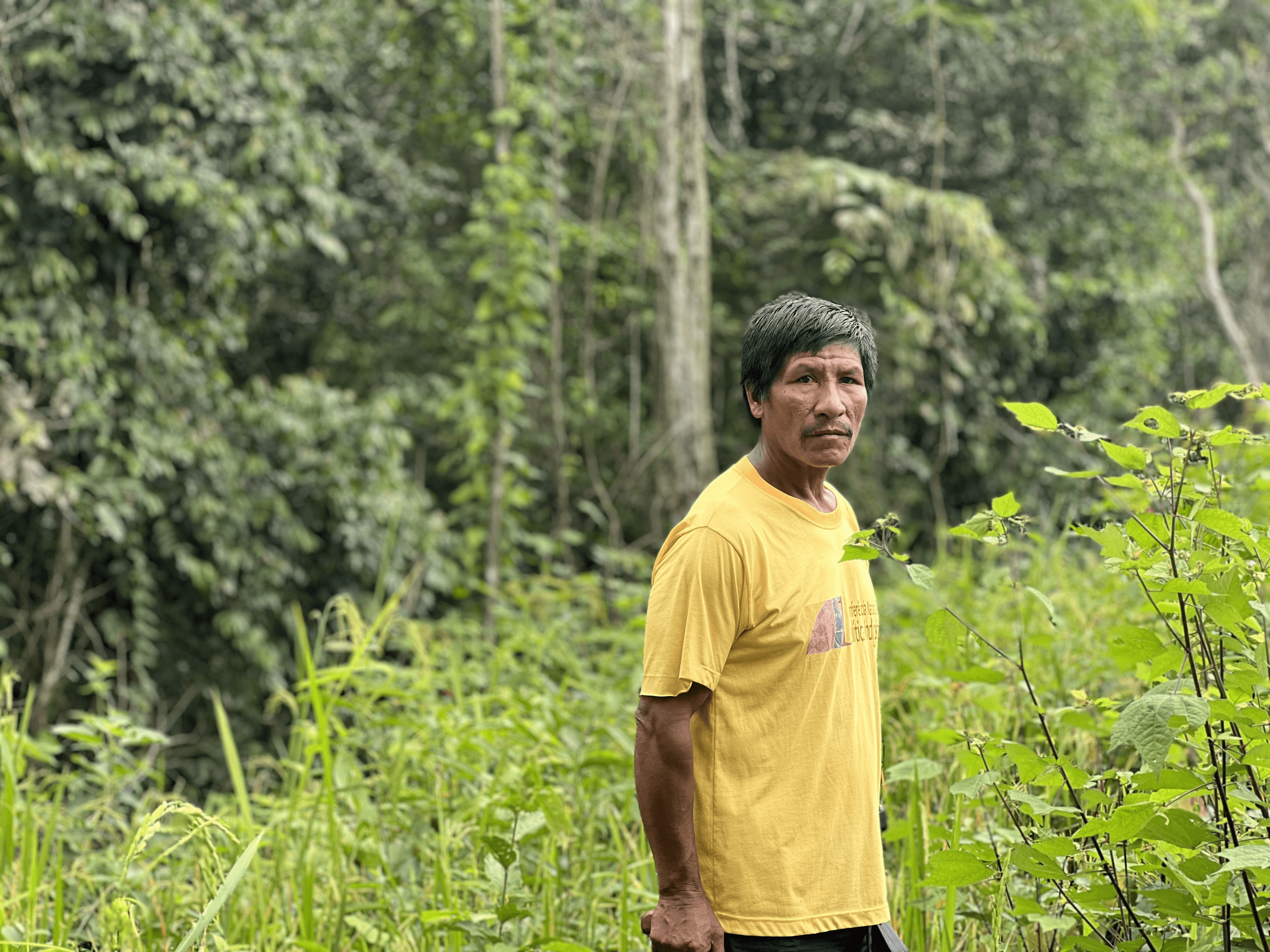
The role of women in environmental regeneration: who holds restoration together from the inside
When people talk about ecological restoration in Brazil, the mental image tends to default to tractors, engineers, and large-scale logistics. But anyone who has set foot on a restoration site like Samaúma's knows better: more than half the people making this work happen are women. Not as an exception. Not as a side program. As structural workforce.
Of Samaúma's 230+ formal employees — all hired under CLT, Brazil's full labor protection framework — over 50% are women. They work in seed collection, planting, nursery management, and long-term monitoring of restored areas. They don't fill a decorative niche. They run the operation.
The seed starts in their hands
Seed collection is the first link in any restoration supply chain. It demands detailed botanical knowledge — identifying native species, assessing fruit maturity, selecting healthy mother trees. In quilombola and Indigenous communities across the Cerrado and Maranhão, this expertise is typically passed down between generations of women. Grandmothers teach granddaughters to tell a viable seed from one that won't germinate. Mothers know the exact fruiting period of dozens of species by heart.
This knowledge isn't folklore. It's the technical foundation of restoration. Without high-quality seeds, seedling survival rates drop. With properly selected seeds, Samaúma achieves a 72% terrestrial survival rate — above the sector average.
The question isn't how to include women in restoration. They were already there. The question is whether we formally recognize what they already do — with a contract, a salary, and legal protection.
Formal employment as a tool for autonomy
In many rural communities across northern and northeastern Brazil, women's labor has been historically invisible. Women produce, collect, process — and rarely have access to their own income, social security, or labor rights. Samaúma operates with CLT hiring across the board, with no distinction. That means these women now have a signed work card, a retirement fund, paid leave, and maternity benefits. For a 35-year-old quilombola woman who has never held a formal job, this transforms not just her income but her standing within her own family and community.
This isn't romanticism. It's data. Women with their own income invest more in nutrition, healthcare, and their children's education — decades of consolidated research confirm this. When ecological restoration generates formal female employment, the impact multiplies.
50%+ of Samaúma's 230+ CLT employees are women
50%+ of the team is Indigenous or quilombola
13 million trees planted with direct participation of women across every stage of the supply chain
Restoration that ignores gender is incomplete restoration
Brazil's environmental sector still treats gender as a sidebar — something for social impact reports, not for operational strategy. Samaúma's experience shows the opposite. When women participate structurally, restoration quality improves. Seedling care is more meticulous. Communication within field teams flows better. Employee retention increases.
This isn't a moral argument — though that argument also exists. It's an operational fact. Environmental regeneration that ignores who is actually on the ground is bound to produce mediocre results. The kind that recognizes, hires, and values those people — especially women — delivers real forest.
Similar Blogs
News, Voices & Impact
Explore updates, field notes, and stories that showcase our mission and impact.