Mangroves

Mangrove Coast, Northeast Brazil

We are helping coastal communities protect their source of livelihoods with our mangrove restoration projects.

Date:

Location:

Alcântara, Primeira Cruz & Tutóia • Maranhão • Brazil

Protecting coastal areas in partnership with communities

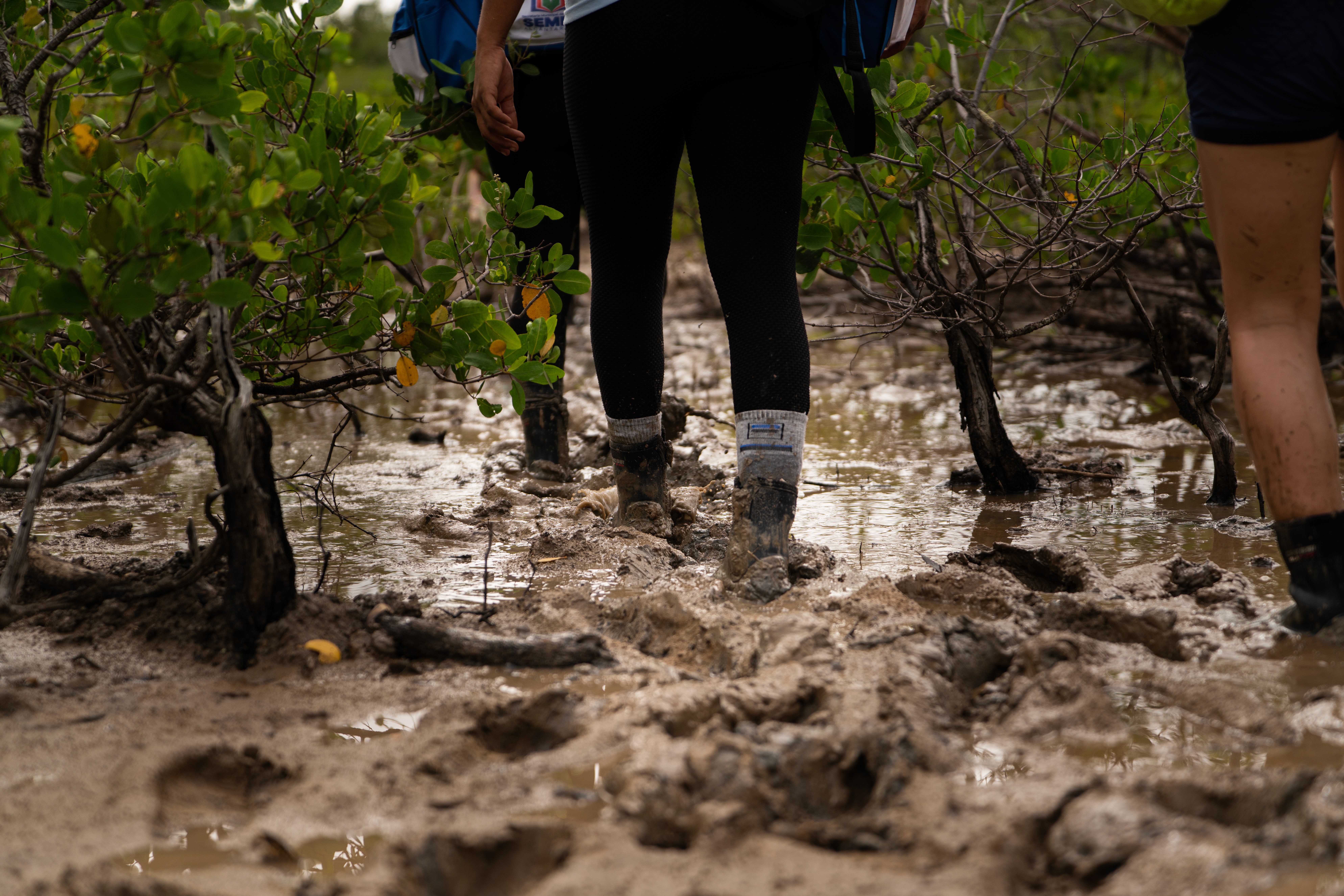
Primeira Cruz and Alcântara are part of the world’s largest continuous mangrove stretch, areas of significant ecological and cultural importance. These ecosystems support fishing communities, Quilombola families, and women shellfish harvesters who rely on them for their livelihoods.
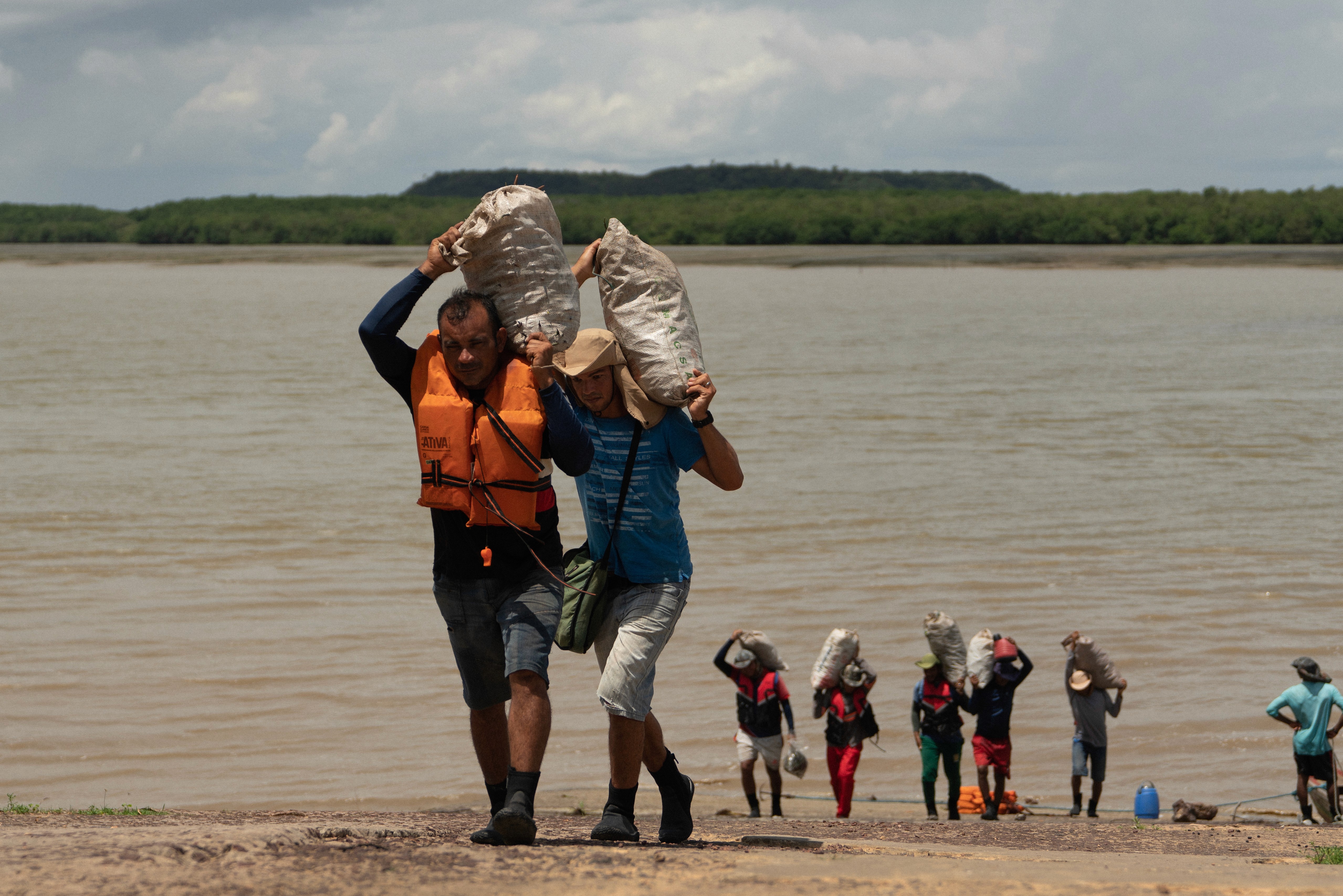


The mangroves are home to species like the Scarlet Ibis, Neotropical otters, and the endangered Oncilla. They play a crucial role in filtering water, protecting communities from storms, and preventing soil erosion, while sustaining local economies and preserving cultural traditions.

Despite the fact that Brazil’s economy is growing, Maranhao has the lowest human development index score in the country. Our work ensures direct and indirect socio-environmental impacts. A value chain is created for nature and the population when threatened species return to previously degraded areas.
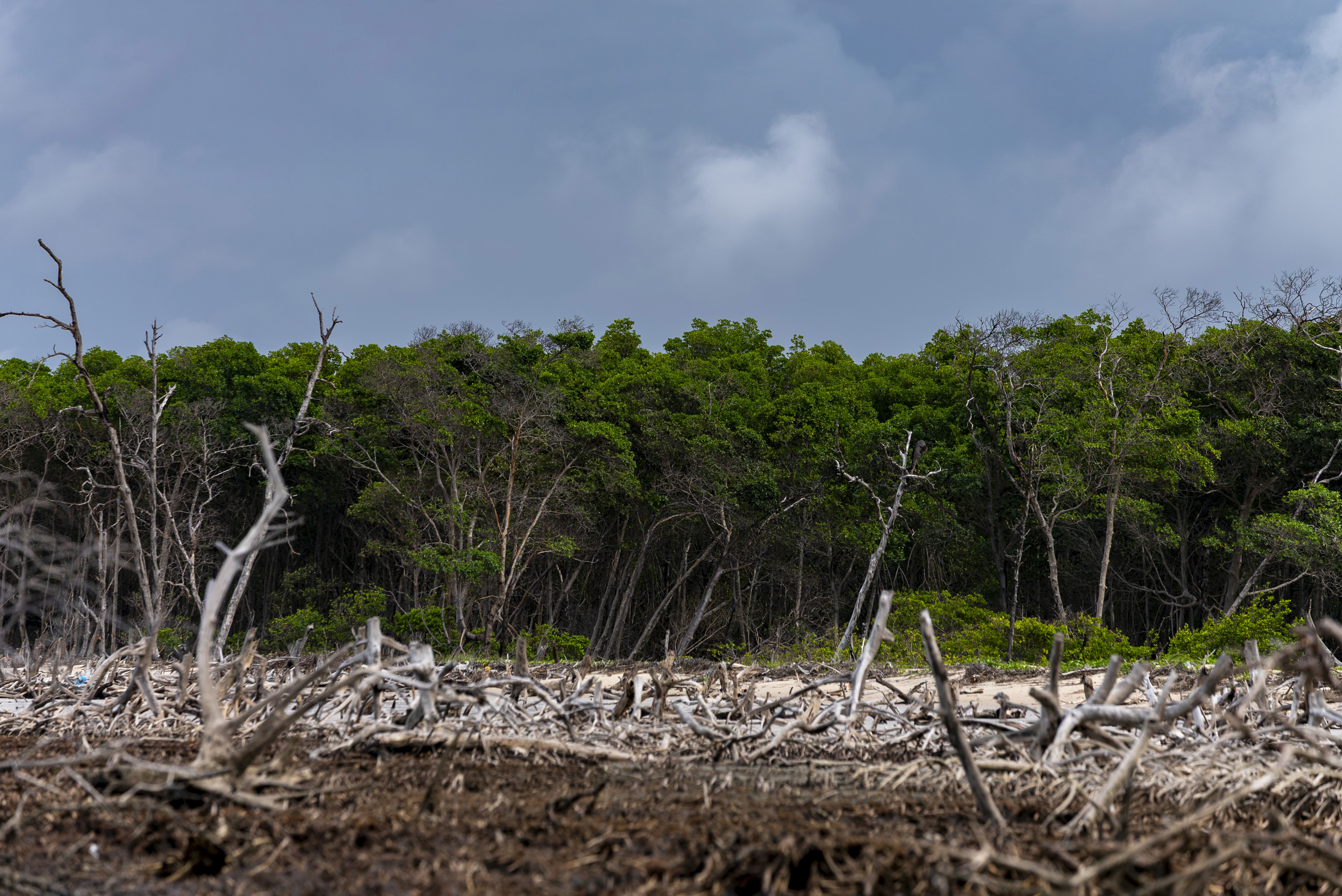

Your business, planting in Brazil's largest mangrove belt.

Your business, planting in Brazil's largest mangrove belt.

Why mangroves matter

Mangroves are among the most productive ecosystems on the planet. They protect coastlines from erosion, serve as nurseries for fish and crustaceans, store massive amounts of carbon in their roots and sediment, and support the livelihoods of millions of people worldwide.

COASTAL PROTECTION

Natural barriers against erosion, storm surges, and rising sea levels.

FISH NURSERIES

80% of global fish catch depends on healthy mangrove ecosystems.

BLUE CARBON

Sequester up to 4x more carbon per hectare than tropical forests.

BIODIVERSITY

Critical habitat for crabs, shrimp, birds, and hundreds of marine species.

GLOBAL COVERAGE
75%
of the world's tropical coastlines are covered by mangroves.
BRAZIL'S POSITION
2nd largest
mangrove area in the world. Maranhão holds the largest continuous belt.
CARBON STORAGE
4x
more carbon per hectare than terrestrial tropical forests.

Why mangroves matter

Mangroves are among the most productive ecosystems on the planet. They protect coastlines from erosion, serve as nurseries for fish and crustaceans, store massive amounts of carbon in their roots and sediment, and support the livelihoods of millions of people worldwide.

COASTAL PROTECTION

Natural barriers against erosion, storm surges, and rising sea levels.

FISH NURSERIES

80% of global fish catch depends on healthy mangrove ecosystems.

BLUE CARBON

Sequester up to 4x more carbon per hectare than tropical forests.

BIODIVERSITY

Critical habitat for crabs, shrimp, birds, and hundreds of marine species.

GLOBAL COVERAGE
75%
of the world's tropical coastlines are covered by mangroves.
BRAZIL'S POSITION
2nd largest
mangrove area in the world. Maranhão holds the largest continuous belt.
CARBON STORAGE
4x
more carbon per hectare than terrestrial tropical forests.

Potential species in the region

Potential plants
3,500+
Potential plants
Amphibians
30+
Amphibians
Mammals
120+
Mammals
Birds
360+
Birds

Potential species in the region

Potential plants
3,500+
Potential plants
Amphibians
30+
Amphibians
Mammals
120+
Mammals
Birds
360+
Birds

Potential species in the region

Potential plants
3,500+
Potential plants
Amphibians
30+
Amphibians
Mammals
120+
Mammals
Birds
360+
Birds

Key species

Biodiversity at our mangrove sites is tracked continuously using camera traps, bioacoustic monitors, and field surveys. Every species is validated by Brazilian specialists.

Scarlet IbisVU

Scarlet Ibis

Eudocimus ruber

Iconic wading bird of Brazil's mangrove ecosystems. Indicator of healthy tidal zones.

Red MangroveVU

Red Mangrove

Rhizophora mangle

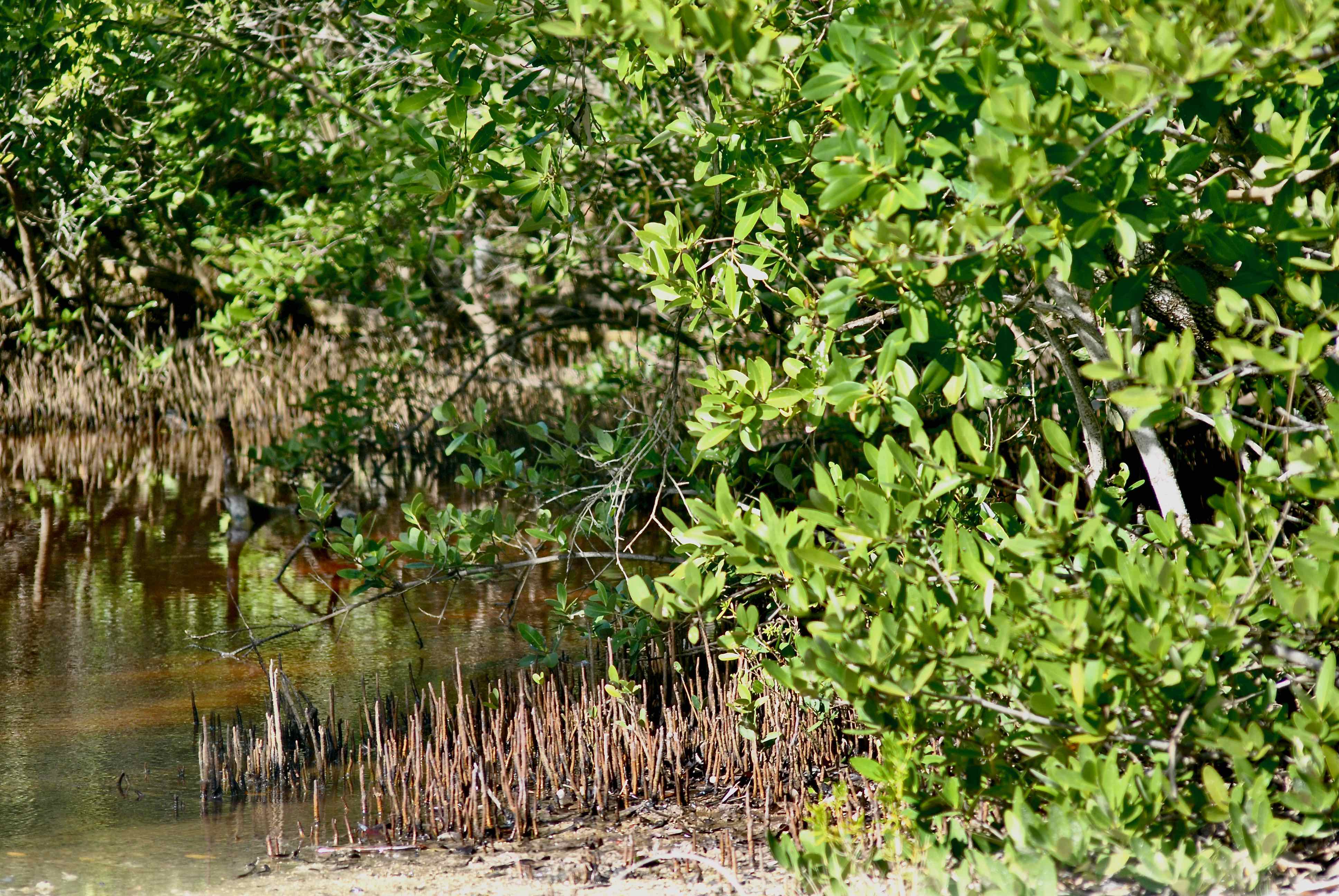
Primary species in restoration. Stilt roots stabilize sediment and create habitat for marine life.

Blue Land CrabLC

Blue Land Crab

Cardisoma guanhumi

Burrow density is a direct indicator of soil health and tidal function. Tracked at every site.

Black MangroveVU

Black Mangrove

Avicennia germinans

Salt-tolerant species with pneumatophores that oxygenate anaerobic soils.

Mangrove CrabLC

Mangrove Crab

Ucides cordatus

Economically vital to local communities. Healthy populations signal ecosystem recovery.

White MangroveLC

White Mangrove

Laguncularia racemosa

Pioneer species in degraded areas. Fast-growing, helps stabilize restoration sites early.

Key species

Biodiversity at our mangrove sites is tracked continuously using camera traps, bioacoustic monitors, and field surveys. Every species is validated by Brazilian specialists.

Scarlet IbisVU

Scarlet Ibis

Eudocimus ruber

Iconic wading bird of Brazil's mangrove ecosystems. Indicator of healthy tidal zones.

Red MangroveVU

Red Mangrove

Rhizophora mangle

Primary species in restoration. Stilt roots stabilize sediment and create habitat for marine life.

Blue Land CrabLC

Blue Land Crab

Cardisoma guanhumi

Burrow density is a direct indicator of soil health and tidal function. Tracked at every site.

Black MangroveVU

Black Mangrove

Avicennia germinans

Salt-tolerant species with pneumatophores that oxygenate anaerobic soils.

Mangrove CrabLC

Mangrove Crab

Ucides cordatus

Economically vital to local communities. Healthy populations signal ecosystem recovery.

White MangroveLC

White Mangrove

Laguncularia racemosa

Pioneer species in degraded areas. Fast-growing, helps stabilize restoration sites early.

What we do here

Hydrological restoration combined with community-led planting and monitoring. Tidal channel recovery, propagule planting, and continuous ecosystem tracking using our in-house field app, camera traps, and bioacoustic monitors. In mangrove sites, we count crab burrow density as a biological indicator of soil health. Something no satellite captures. It takes trained people, at every site, every time.

MONITORING
4x more
field samples per hectare than any comparable program.
BRAZIL'S LARGEST MANGROVE PLANTER
6M+
mangrove trees planted along the Maranhão coast.
VERIFICATION
3 levels
Field collection. In-house specialist review. Independent third-party validation.

What we do here

Hydrological restoration combined with community-led planting and monitoring. Tidal channel recovery, propagule planting, and continuous ecosystem tracking using our in-house field app, camera traps, and bioacoustic monitors. In mangrove sites, we count crab burrow density as a biological indicator of soil health. Something no satellite captures. It takes trained people, at every site, every time.

MONITORING
4x more
field samples per hectare than any comparable program.
BRAZIL'S LARGEST MANGROVE PLANTER
6M+
mangrove trees planted along the Maranhão coast.
VERIFICATION
3 levels
Field collection. In-house specialist review. Independent third-party validation.

Sustainable Development Goals

1No Poverty
2Zero Hunger
5Gender Equality
6Clean Water
8Decent Work
13Climate Action
15Life on Land