a black and white living room with a large tv

Cerrado

Cerrado Savanna, Brazil's Water Tank

5.7+ million trees planted alongside one of Brazil's largest quilombola communities.

Date:

Location:

Quilombo Kalunga • Cavalcante • Goiás

Culture, Resilience, and Love for the Cerrado

In the heart of the Brazilian Cerrado lies the largest quilombola community in the country. With a history marked by resilience and resistance, the Kalunga were once protected by vast forests and imposing mountains.

Today, they fear that fire and degradation will destroy what has always been more than just land to them. The Cerrado is disappearing, losing 11,011 km² of native vegetation in just the past year. Of its more than 11,000 plant species, nearly half are found nowhere else in the world, and many are essential for local communities' food, medicine, and crafts.

In this project, over 4 million trees have been planted. We continue with agroforestry and restoration of areas key to important waterfalls, including the famous Santa Barbara.
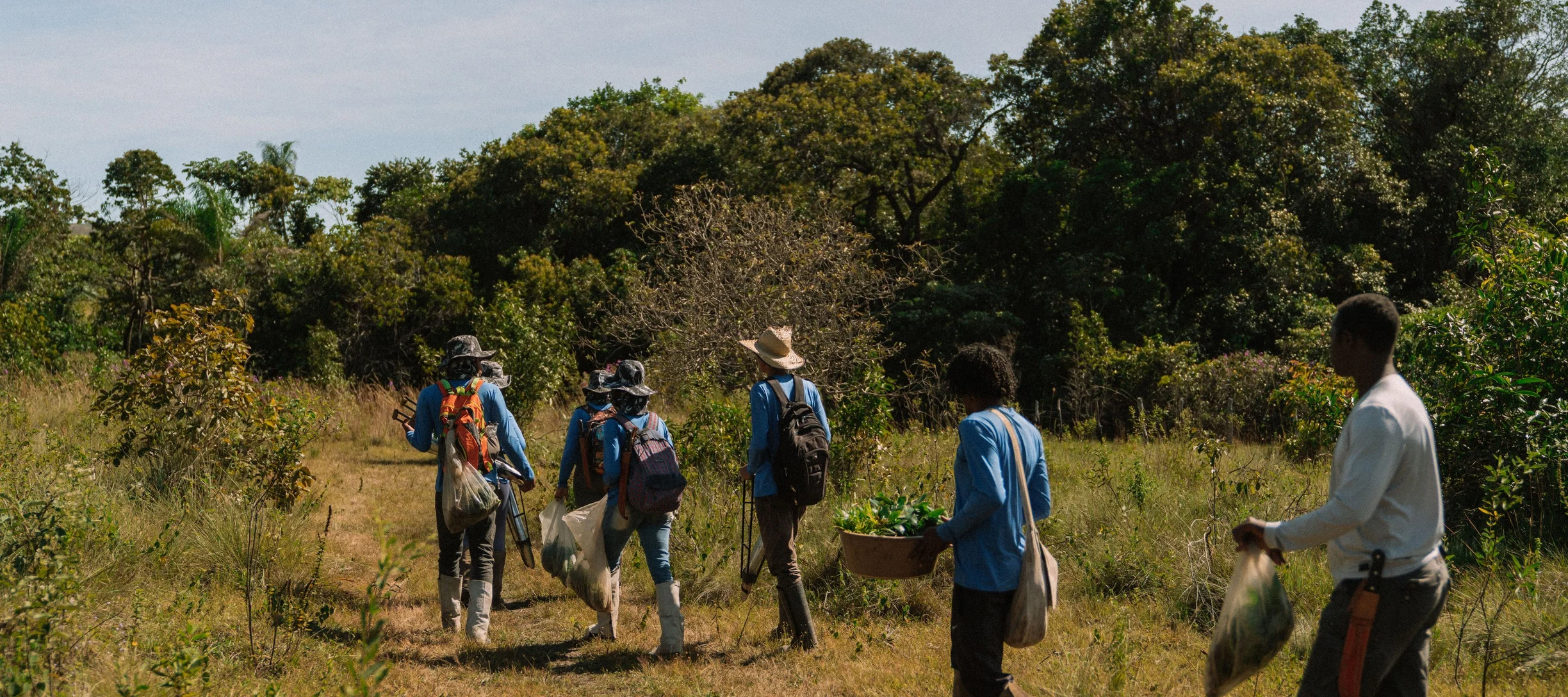


Quilombo Kalunga is an example. Known as guardians of the Cerrado, their lands near Chapada dos Veadeiros appear as a small green patch surrounded by large monoculture farms. Alone, they cannot protect one of the most biodiverse ecosystems in the world.

Beyond being a home to so many generations, Kalunga is also a haven of traditional wisdom gained from a deep respect and inherent relationship with the Cerrado. Engaging with this unique land & story requires care and respect.


Wants to help the Cerrado?

Wants to help the Cerrado?

Why the Cerrado matters

The Cerrado is the most biodiverse savanna on the planet, home to 5% of all known species. It is also the source of 8 of Brazil's 12 major river basins, regulating 75% of the country's freshwater supply. Only 20% of its original vegetation remains intact.

WATER REGULATION

Source of 8 of Brazil's 12 major river basins, supplying 75% of freshwater.

BIODIVERSITY

5% of all species on Earth. Over 12,000 plant species, 40% endemic.

FOOD SECURITY

Cerrado watersheds irrigate Brazil's agricultural heartland.

CARBON STORAGE

Deep root systems store significant carbon belowground.

ORIGINAL COVER
20%
of the original Cerrado vegetation remains. One of Brazil's most threatened biomes.
ENDEMIC PLANTS
4,800+
plant species found nowhere else on Earth.
FRESHWATER
75%
of Brazil's freshwater originates in Cerrado watersheds.

Why the Cerrado matters

The Cerrado is the most biodiverse savanna on the planet, home to 5% of all known species. It is also the source of 8 of Brazil's 12 major river basins, regulating 75% of the country's freshwater supply. Only 20% of its original vegetation remains intact.

WATER REGULATION

Source of 8 of Brazil's 12 major river basins, supplying 75% of freshwater.

BIODIVERSITY

5% of all species on Earth. Over 12,000 plant species, 40% endemic.

FOOD SECURITY

Cerrado watersheds irrigate Brazil's agricultural heartland.

CARBON STORAGE

Deep root systems store significant carbon belowground.

ORIGINAL COVER
20%
of the original Cerrado vegetation remains. One of Brazil's most threatened biomes.
ENDEMIC PLANTS
4,800+
plant species found nowhere else on Earth.
FRESHWATER
75%
of Brazil's freshwater originates in Cerrado watersheds.

Potential species in the region

Potential plants
5,000+
Potential plants
Amphibians
40+
Amphibians
Mammals
150+
Mammals
Birds
500+
Birds

Potential species in the region

Potential plants
5,000+
Potential plants
Amphibians
40+
Amphibians
Mammals
150+
Mammals
Birds
500+
Birds

Potential species in the region

Potential plants
5,000+
Potential plants
Amphibians
40+
Amphibians
Mammals
150+
Mammals
Birds
500+
Birds

Key species

Species richness tracked through camera traps, bioacoustic monitors, and field surveys. Cerrado restoration supports the return of mammals, birds, and reptiles that depend on native vegetation.

Maned WolfVU

Maned Wolf

Chrysocyon brachyurus

Largest canid in South America. Key indicator of cerrado health and connectivity.

Giant AnteaterVU

Giant Anteater

Myrmecophaga tridactyla

Vulnerable. Indicates functioning ecosystem with healthy insect populations.

BaruLC

Baru

Dipteryx alata

Agroforestry species. High-value nut that generates income for communities.

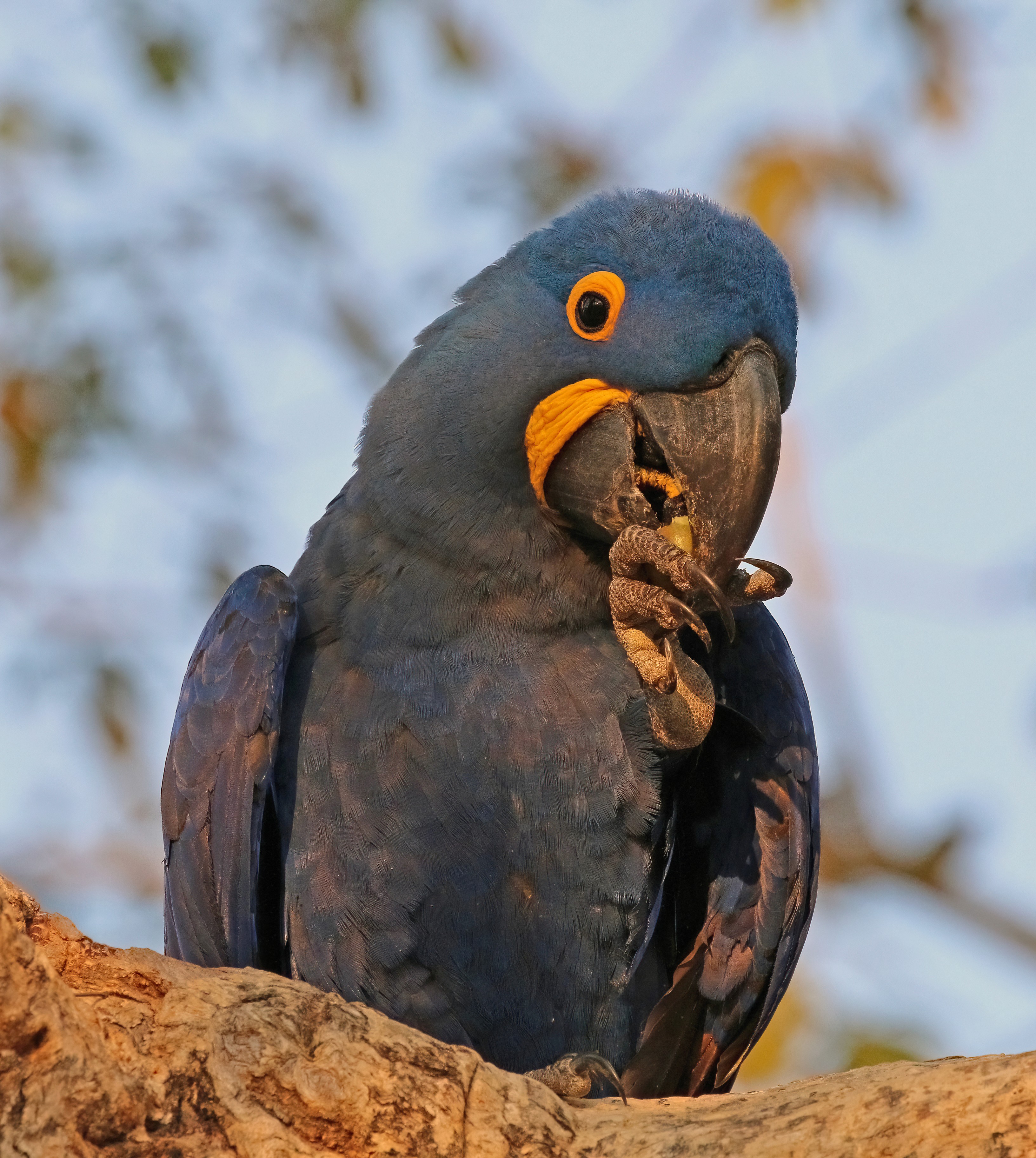
Hyacinth MacawVU

Hyacinth Macaw

Anodorhynchus hyacinthinus

Largest parrot in the world. Depends on cerrado palms for nesting.

PequiLC

Pequi

Caryocar brasiliense

Iconic cerrado fruit. Central to quilombola culture, cuisine, and agroforestry.

TapirLC

Tapir

Tapirus terrestris

Brazil's largest land mammal. Seed disperser critical to regeneration.

Key species

Species richness tracked through camera traps, bioacoustic monitors, and field surveys. Cerrado restoration supports the return of mammals, birds, and reptiles that depend on native vegetation.

Maned WolfVU

Maned Wolf

Chrysocyon brachyurus

Largest canid in South America. Key indicator of cerrado health and connectivity.

Giant AnteaterVU

Giant Anteater

Myrmecophaga tridactyla

Vulnerable. Indicates functioning ecosystem with healthy insect populations.

BaruLC

Baru

Dipteryx alata

Agroforestry species. High-value nut that generates income for communities.

Hyacinth MacawVU

Hyacinth Macaw

Anodorhynchus hyacinthinus

Largest parrot in the world. Depends on cerrado palms for nesting.

PequiLC

Pequi

Caryocar brasiliense

Iconic cerrado fruit. Central to quilombola culture, cuisine, and agroforestry.

TapirLC

Tapir

Tapirus terrestris

Brazil's largest land mammal. Seed disperser critical to regeneration.

What we do here

Native planting, natural regeneration, and agroforestry. Income generation through baru, pequi, and other native species. All data collected using the SamaÚma field app, with camera traps and bioacoustic monitors running continuously.

COMMUNITY
Kalunga
One of Brazil's largest quilombola territories. Over 50 families directly impacted.
METHODOLOGY
3 approaches
Native planting, natural regeneration, and agroforestry. Adapted per site.
EMPLOYMENT
Direct hire
All work done by local community members. 50%+ quilombola workers. 50%+ women.

What we do here

Native planting, natural regeneration, and agroforestry. Income generation through baru, pequi, and other native species. All data collected using the SamaÚma field app, with camera traps and bioacoustic monitors running continuously.

COMMUNITY
Kalunga
One of Brazil's largest quilombola territories. Over 50 families directly impacted.
METHODOLOGY
3 approaches
Native planting, natural regeneration, and agroforestry. Adapted per site.
EMPLOYMENT
Direct hire
All work done by local community members. 50%+ quilombola workers. 50%+ women.

Sustainable Development Goals

1No Poverty
2Zero Hunger
5Gender Equality
6Clean Water
8Decent Work
13Climate Action
15Life on Land