a black and white living room with a large tv

Atlentic Forest

Atlantic Forest, Indigenous Territories

One of the world's most threatened biodiversity hotspots. Only 12.4% of its original cover remains. We work with multiple Indigenous communities across the Atlantic Forest. One of our highlighted partnerships is with the Pataxó people in Southern Bahia.

Date:

Location:

Pataxó Territory • Southern Bahia • Brazil

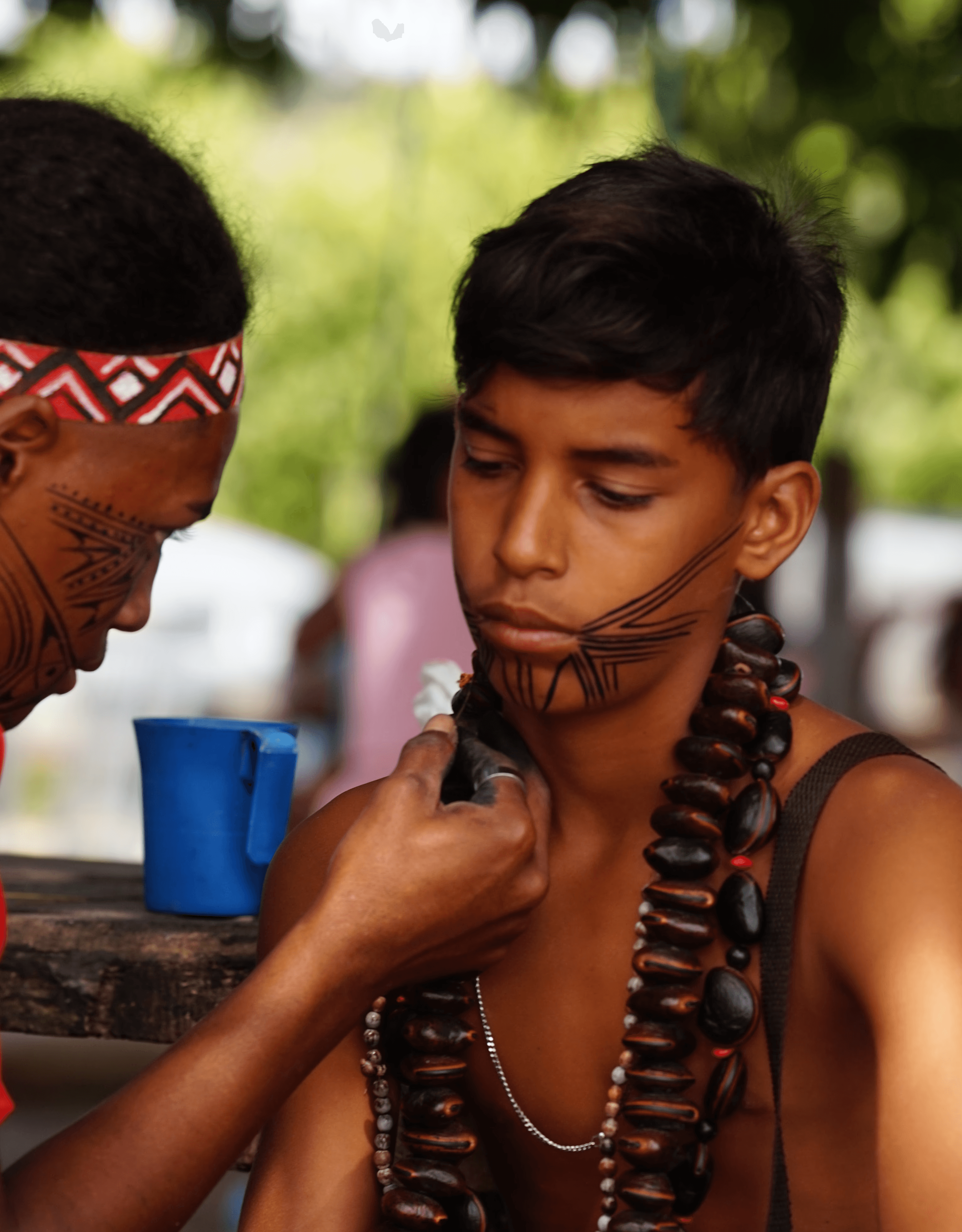
The Pataxó

One of Brazil's most recognized Indigenous communities. The Pataxó have inhabited the Atlantic Forest in Southern Bahia for centuries, protecting some of the last remaining fragments of this biome.

Our restoration work alongside the Pataxó focuses on native species adapted to local conditions, with full successional planning from pioneer to climax species. Designed for the forest to stand on its own over time. All work is led by the local community.

Grow your climate action in Brazil's most threatened forest.

Grow your climate action in Brazil's most threatened forest.

Why the Atlantic Forest matters

The Atlantic Forest is one of the most biodiverse ecosystems on the planet, home to 8% of all known species. It once stretched across Brazil's entire coast. Today, only 12.4% remains. Despite this, 72% of Brazil's population lives in its territory.

BIODIVERSITY HOTSPOT

Home to 8% of all species on Earth, many found nowhere else.

FOOD PRODUCTION

Watersheds support 70% of Brazil's agricultural GDP.

WATER FOR MILLIONS

72% of Brazil's population depends on its water regulation.

CARBON SEQUESTRATION

Dense tropical canopy with high carbon storage per hectare.

SPECIES
20,000+
plant species. Over 8,000 are endemic to the Atlantic Forest.
POPULATION
150M+
Brazilians live in Atlantic Forest territory.
UNDER THREAT
87.6%
of the original Atlantic Forest has been lost.

Why the Atlantic Forest matters

The Atlantic Forest is one of the most biodiverse ecosystems on the planet, home to 8% of all known species. It once stretched across Brazil's entire coast. Today, only 12.4% remains. Despite this, 72% of Brazil's population lives in its territory.

BIODIVERSITY HOTSPOT

Home to 8% of all species on Earth, many found nowhere else.

FOOD PRODUCTION

Watersheds support 70% of Brazil's agricultural GDP.

WATER FOR MILLIONS

72% of Brazil's population depends on its water regulation.

CARBON SEQUESTRATION

Dense tropical canopy with high carbon storage per hectare.

SPECIES
20,000+
plant species. Over 8,000 are endemic to the Atlantic Forest.
POPULATION
150M+
Brazilians live in Atlantic Forest territory.
UNDER THREAT
87.6%
of the original Atlantic Forest has been lost.

Potential species in the region

Potential plants
4,000+
Potential plants
Amphibians
50+
Amphibians
Mammals
130+
Mammals
Birds
400+
Birds

Potential species in the region

Potential plants
4,000+
Potential plants
Amphibians
50+
Amphibians
Mammals
130+
Mammals
Birds
400+
Birds

Potential species in the region

Potential plants
4,000+
Potential plants
Amphibians
50+
Amphibians
Mammals
130+
Mammals
Birds
400+
Birds

Key species

Golden Lion TamarinVU

Golden Lion Tamarin

Leontopithecus rosalia

Endemic. One of the world's most iconic conservation stories.

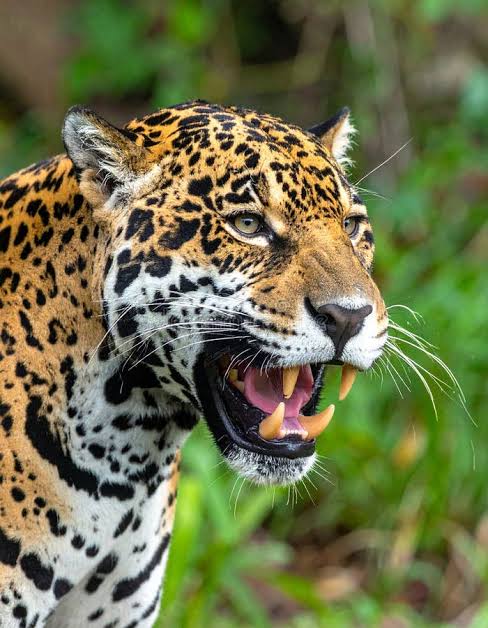
JaguarVU

Jaguar

Panthera onca

Top predator. Signals healthy prey populations and connectivity.

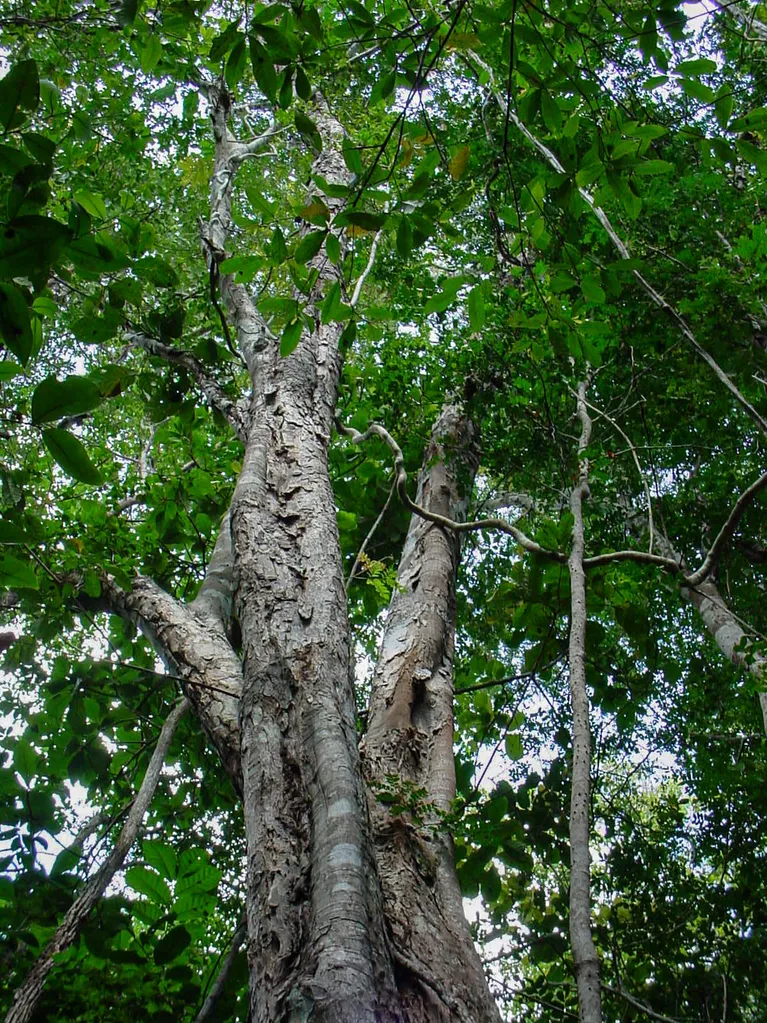
Pau-BrasilLC

Pau-Brasil

Paubrasilia echinata

The tree that gave Brazil its name. Endangered. Culturally significant.

Three-toed SlothVU

Three-toed Sloth

Bradypus variegatus

Canopy species that depends on connected forest for movement.

Jussara PalmLC

Jussara Palm

Euterpe edulis

Keystone species. Fruit feeds over 70 bird species. Critical for seed dispersal.

Harpy EagleLC

Harpy Eagle

Harpia harpyja

One of the world's largest eagles. Requires vast intact forest.

Key species

Golden Lion TamarinVU

Golden Lion Tamarin

Leontopithecus rosalia

Endemic. One of the world's most iconic conservation stories.

JaguarVU

Jaguar

Panthera onca

Top predator. Signals healthy prey populations and connectivity.

Pau-BrasilLC

Pau-Brasil

Paubrasilia echinata

The tree that gave Brazil its name. Endangered. Culturally significant.

Three-toed SlothVU

Three-toed Sloth

Bradypus variegatus

Canopy species that depends on connected forest for movement.

Jussara PalmLC

Jussara Palm

Euterpe edulis

Keystone species. Fruit feeds over 70 bird species. Critical for seed dispersal.

Harpy EagleLC

Harpy Eagle

Harpia harpyja

One of the world's largest eagles. Requires vast intact forest.

One of Brazil's most threatened communities
Restoration in their territory strengthens land protection and cultural preservation.
SOCIAL MONITORING
Tracked in our app
Community income, employment, and wellbeing data collected alongside ecological metrics.
CONNECTIVITY
Linking fragments
Restoring corridors between isolated forest patches to reconnect wildlife habitat across the biome.

One of Brazil's most threatened communities
Restoration in their territory strengthens land protection and cultural preservation.
SOCIAL MONITORING
Tracked in our app
Community income, employment, and wellbeing data collected alongside ecological metrics.
CONNECTIVITY
Linking fragments
Restoring corridors between isolated forest patches to reconnect wildlife habitat across the biome.

Sustainable Development Goals

1No Poverty
2Zero Hunger
5Gender Equality
6Clean Water
8Decent Work
13Climate Action
15Life on Land